
Within a month of my arrival in Wichita, I saw a go-cart for sale at a local store. I could not take my eyes off it.
As a four-year-old child, I had dreamed of a basic form of transportation powered by an engine. Here was transportation at its very essence. It had a minimal frame on small wheels and a small engine but was sufficient to transport one person.
In India, I had to ride a bike for several miles a day, and I knew how much it took out of me. A small, motorized vehicle, covered with a minimal body to protect passengers from mud and rain, could be the next step above the bicycle.
The go-cart concept could provide cheap transportation for developing countries. We don’t need big, expensive cars, I thought. We need something simple. This is as simple as it gets.
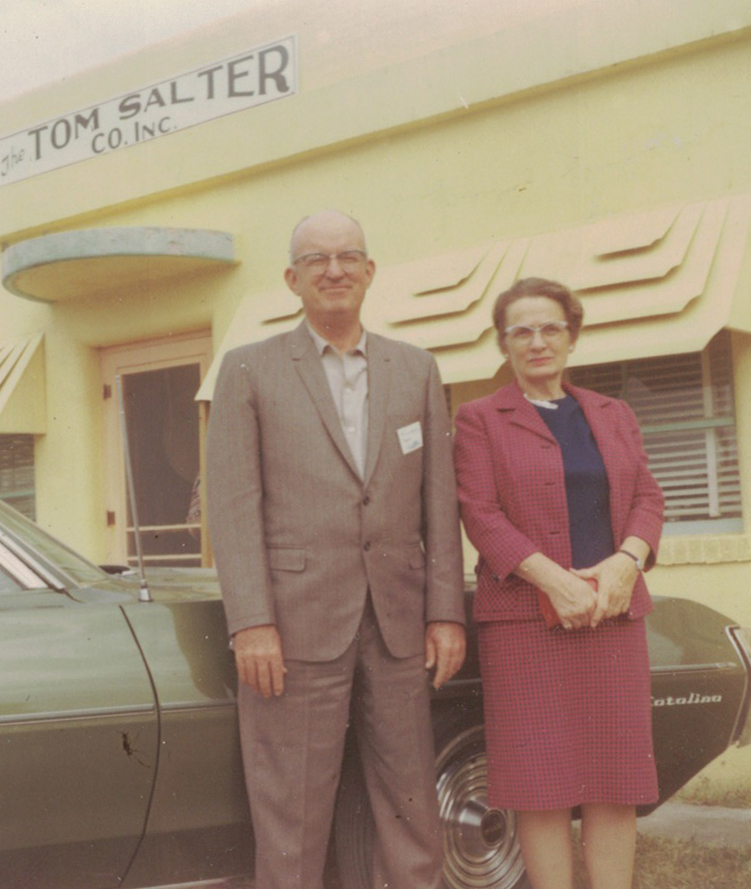
Immediately, my mind started to work on how a small and simple vehicle could be made for distribution in India. My roommate and business associate, Ken Holmes, was dating a woman whose father taught engineering at the university. I shared the idea with the professor and he, in turn, gave me the name of a man who had just retired as chief engineer of Cessna Aircraft. The professor talked of this engineer reverentially and called him a practical genius. His name was Tom Salter.
Within minutes, I made the call to Tom. “I have just retired and have all the time in the world,” Tom told me.
Immediately after the call, I made a beeline to his house. Tom’s reputation was not exaggerated—he was a genius. Looking back, I consider him to be my teacher, guide, and guru, and he treated me as one of his children.
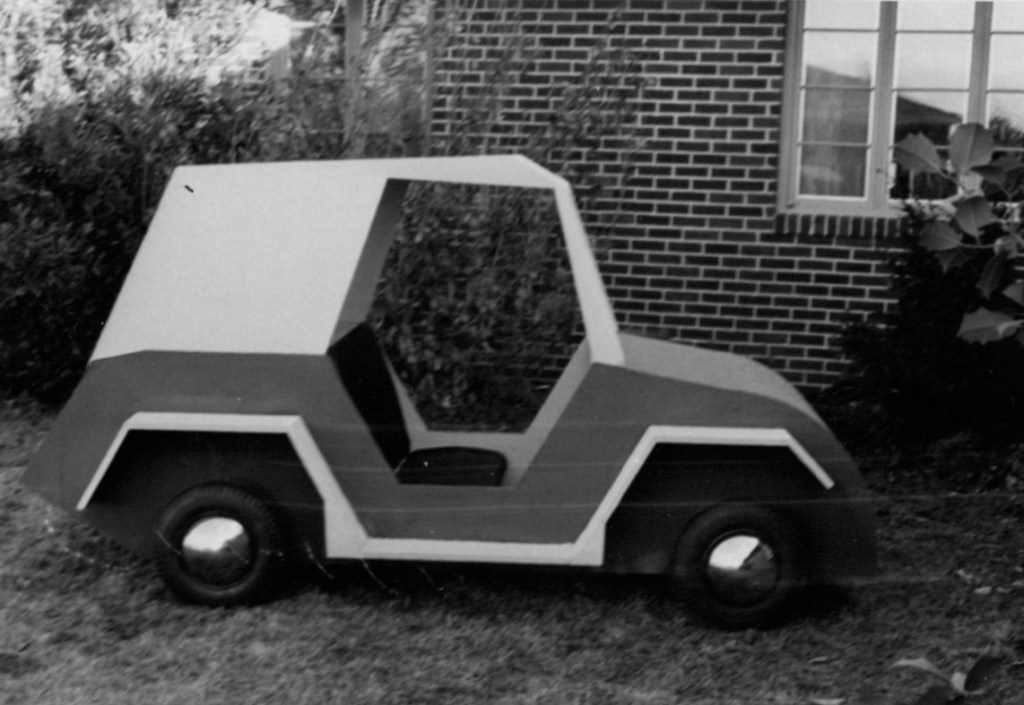
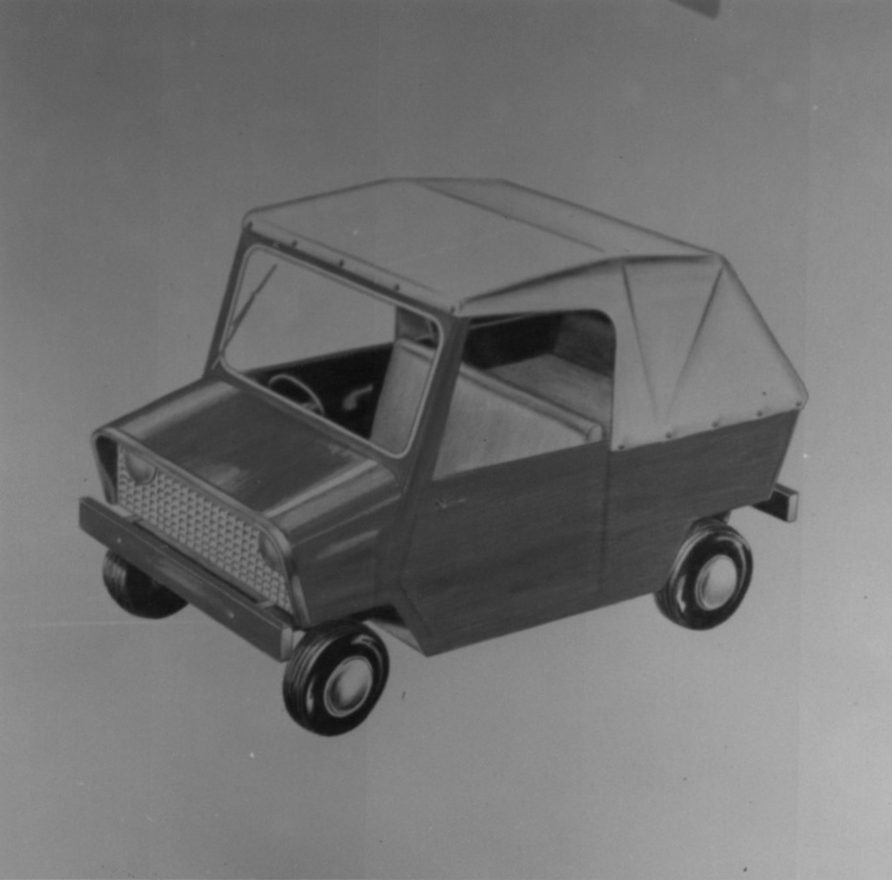
A team of designers along with several prominent businessmen joined us in this effort. The chief designer of Boeing Aircraft helped us design the exterior of the vehicle. It used a five-horsepower Briggs and Stratton engine. We calculated that the entire thing could be assembled for less than $200 on a production line in a developing country. We established a corporation under the name Pushpa Yan Company (PYCO). In Hindi, pushpa yan meant “light-as-a-flower vehicle” and played on a mythological name, Pushpak Viman.
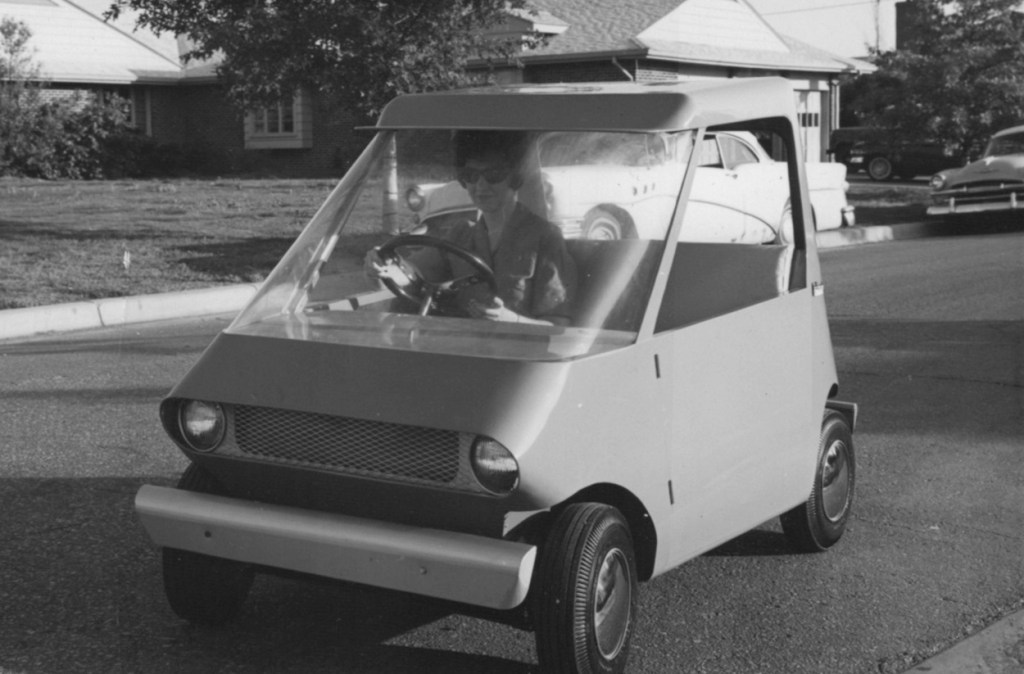
In 1962, about three years after my arrival in the U.S., I traveled around the world to test the potential market for this small vehicle. I went to Japan, Hong Kong, Malaysia, Singapore, India, and Israel. On the way back, I stopped in Italy, France, and England. One of the board members of our company was the vice president of Beechcraft, and he wrote letters of introduction that opened many doors for me on my trip. I was given the royal treatment wherever I went.
The trip gave me a huge amount of self-confidence in my business skills as well as my ability to deal with people. However, I also learned that the vehicle, as it was designed, would not satisfy the needs of the market.
The small wheels did not allow for enough clearance to go over the potholes on the roads of developing countries. A five-horsepower engine would not suffice, because people did not want mere transportation, they wanted power and speed.
These problems could be solved, but to keep the cost of the vehicle down, the engine had to be produced in large quantities, and that could not be done in developing countries at that time. These countries did not have the foreign exchange to import the steel or the engine for such a vehicle. In addition, we would need an array of permits which would take years and many expensive bribes. I was neither capable nor emotionally ready to undertake such a task.
It was my first face-to-face encounter with what I termed a failure. My capabilities and resources did not match my dream. I felt crushed.
*******
Going to school, earning a living, and running two businesses was taking a toll on me. I was working endless hours. Something had to give, and that was my health. I became dispirited and uncharacteristically quiet. I was no fun to be around. I felt as if I were in a dark womb, unable to get out—but anticipating a new birth, knowing something was germinating in that darkness.
My grades plummeted. I decided I didn’t need another degree, so I quit my studies at Wichita University to focus on my business. Since I had come to the U.S. on a student visa, I was now in violation.
That’s when the U.S. Department of Immigration served me with a notice of deportation.
 balbirmathur.com