
Soon after meeting Graham, I applied to Harvard University. A letter came back saying that my transcripts should have been enclosed with my application. I had enclosed my transcripts, but I sent them another copy. Silence.
Graham had promised to send me the necessary sponsorship papers soon after he arrived home in the USA. Every day I checked my mail. Nothing.
In February 1958, I received a letter from Graham suggesting I also apply to Wichita University in Wichita, Kansas. Promptly, I acquired the application for Wichita University and mailed it to them. To my surprise, I got the same answer from them: my transcripts were missing. Again, I sent them a duplicate. No answer.
I had been sending copies of all my correspondence to Graham, but there was no answer from him either. In the February letter, Graham had mentioned that he would be in India for three months during the summer, but that was four anxious months away.
When I hadn’t heard from Graham by mid-summer, I wrote to his office in the United States to inquire about his trip. I was informed that Graham had been to India already. He had to cut his trip short and was back in the States.
Suddenly, nothing seemed to be going my way, and my anxiety level started to rise. Almost daily, someone was sure to ask me, “When do you leave for America?” Many people who thought Graham was a figment of my imagination started to have fun at my expense.
“You have to be doing something wrong,” I was told by my friends. “The Americans are very efficient, and they do not make such mistakes.”
I did not lose faith. Once in a while, something would remind me that I was indeed going to America. I kept alive my original plan to hitchhike and was ready to do so if this plan with Graham failed.
In August, by the time I had chewed my nails down to the cuticles, I received several letters in quick succession. Someone from Graham’s office explained that they had solved the mystery of my transcripts. My letters were being filed under “S” for Singh, as I was signing my letters, and my transcripts were being filed under “M” for Mathur.
The mistake was understandable. I had always used my middle name as my last name, because in my youth I had been involved in what we called the “Freedom Fight.” In India, last names are like zip codes—or more than that, as they tell not only what province you are from, but also your language, religion, family, and likely your wife’s family. That isolated people into their groups, and we young people were trying to break that system by not using our last name. But in high school, that meant that two of us had the same name: Balbir Singh. To avoid confusion, we two decided to use our last names on our transcripts. That decision had come back to haunt me at this critical hour.
The next letter I received was from Harvard University. They had found my transcripts, but it was too late to apply for that year. They said I should try again next year.
The third letter was from Wichita University, telling me that they had given me a “tentative” admission.
I wrote back to Graham’s office, saying I needed a letter of confirmed admission at Wichita University and a letter of sponsorship from Graham to proceed further. Finally, on September 11, the sponsorship letter from Graham arrived. I jumped up and down exuberantly, yelling, “I knew it! I knew it! I knew it!”
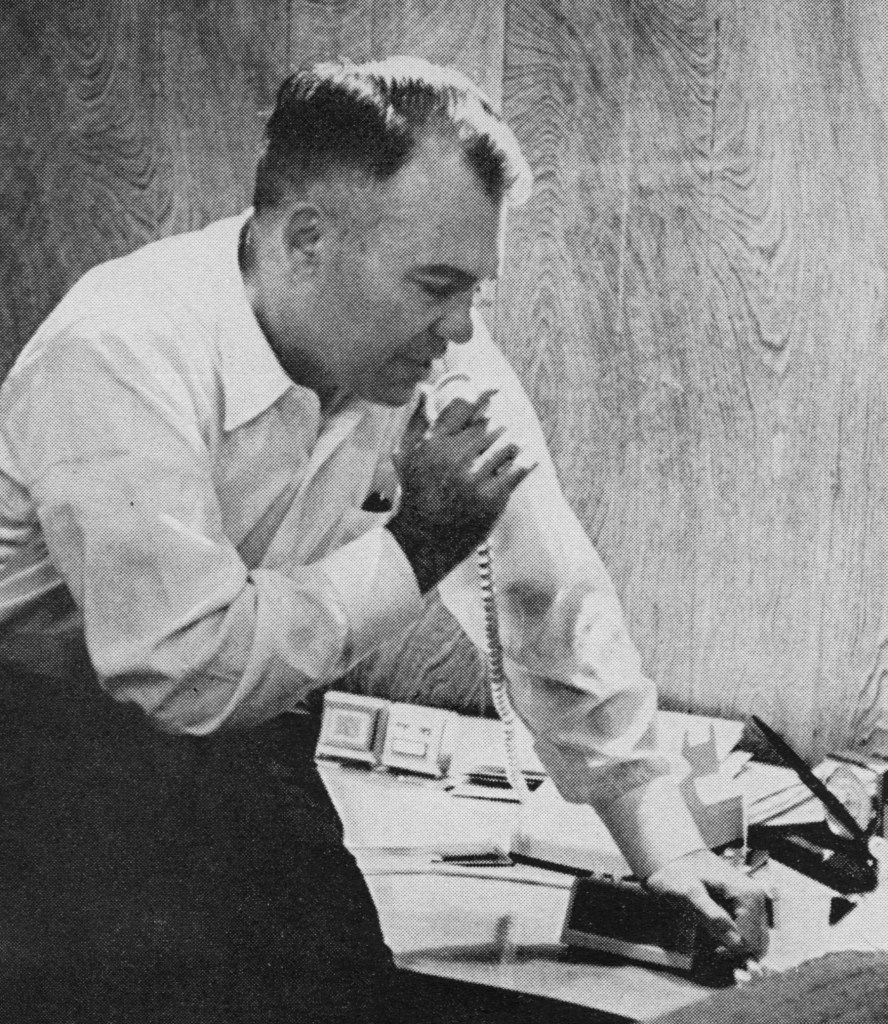
Excitedly, I showed the letters to Uncle Sant Ram. He read and re-read the letters. His quiet demeanor indicated that he was underwhelmed.
“Graham’s letter is conditional. It is the weakest sponsorship letter I have ever seen,” he said. “How would anyone know who he is, what he does, or if he can even afford to sponsor you? I work with the American Embassy and know how they operate. I am 100 percent sure they will not give you a visa based on this letter. No one will.” He was fuming.
To his credit, my uncle immediately called the American Consul General, whom he happened to know because my uncle was one of the physicians for the Embassy. He told the Consul that he needed to see him in regard to his nephew’s trip to the USA. He was invited to come right over.
Listlessly, I stood on the balcony of his second-floor office and watched him leave. I remained there until I saw him return and park his lime-green car. He got out of the car and gave me a thumbs-up, and his legs had a spring in them that had been missing when he left.
The Consul had told my uncle that he met Graham when he was in India. He believed that Graham was a reputable businessman and that this letter would suffice to justify a visa. The Consul also provided a list of all the papers I needed to submit along with the visa application. The application was to be taken back to the Consul directly, bypassing the normal channels.
My uncle had also shared his other concern with the Consul, namely that the school session had already started, and the university might not admit his nephew at this late date. “Never mind,” the Consul assured him, “let your nephew get there first.”
“This is most unusual,” my uncle told me. “I have never experienced any such thing before. Someone is watching out for you.” He was well aware of how long it could normally take to get an American visa.
Then my uncle’s mood changed. He became grim and said, “But there is one more problem, which may be even more serious than the visa itself.” At this point, I did not want to hear of any more problems. He continued: “You have to submit proof that you or your guarantor has Rs. 15,000 ($5,000) in the bank. This proof has to be certified by the Foreign Reserves Office of the Indian government, saying they can access these funds in case you do not perform and have to be deported back to India. The U.S. government wants to be assured that you will not become a burden on the U.S. taxpayers.”
Indeed, this would be an impossible hurdle to get over. I had to raise $2,500 for my one-way ticket to the United States, and that was a nearly-impossible proposition to begin with. The need for an additional $5,000 that would be tied up until I returned from the States would be a deal-breaker. More than that, getting clearance from the Foreign Exchange Reserves Office could take months.
Only a few minutes before, I had been flying high with hope. Now I felt like a deflated balloon lying flat on the ground. The heat of hard realities had evaporated the effervescence of good news.
 balbirmathur.com
Wonderful stories Balbir.